Markandeya Purana Chapter 32: Shraadh Text & Variants
The Markandeya Purana contains exhaustive sections detailing traditional domestic obligations, societal regulations, and ancestral rites. Among these chapters, the narrative found in Chapter 32 (Adhyay 32) stands out for its highly detailed—and frequently debated—catalogue of food instructions and offerings intended to satisfy the ancestral lineages (Pitras).
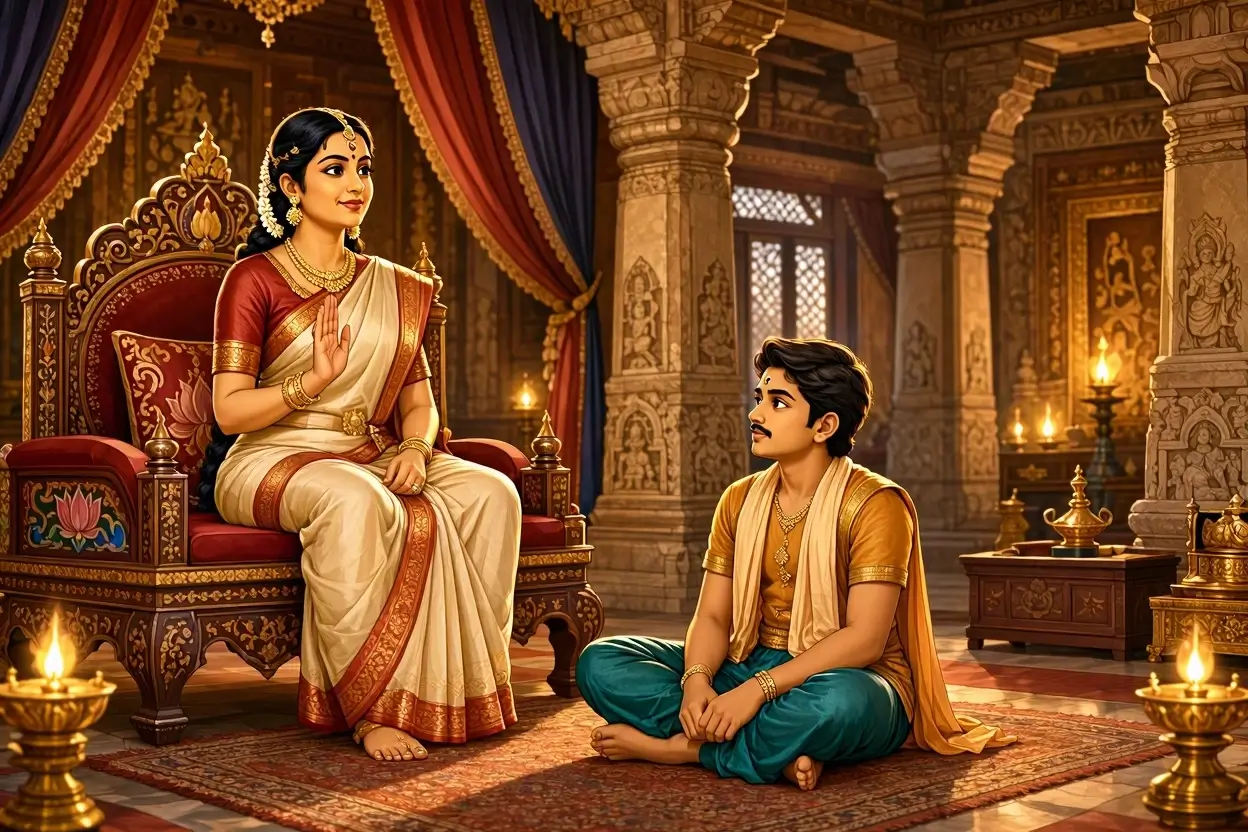
This particular text block is framed as a direct discourse by the celebrated queen Madalasa to her son, outlining historic guidelines for ritual performance. Interestingly, a comparative analysis of modern editions reveals significant differences; for instance, certain translations, such as the Gita Press Gorakhpur volume, bypass these lines, while alternative Sanskrit recensions preserve them in full. Below, we examine the authenticated translation of these controversial historic verses.
Sraddha श्राद्ध | Markandeya Purana - Gita Press Gorakhpur
The truth about Sraddha | Shraadh | श्राद्ध from Markandeya Purana by Gita Press Gorakhpur.
Markandeya Purana Hindi - Gita Press Gorakhpur


This text above is from the Sankshipta Markandeya Purana (Page 100), explaining the spiritual mechanics of Shraddha (ancestral rituals) and how different offerings satisfy ancestors depending on the realms or life forms they currently inhabit.
[Main Highlighted Text Column 1]
Among them, those who reside in hell, those who have fallen into the wombs of birds and animals, or those who exist in forms like ghosts and spirits, are all satisfied by the performer who performs the Shraddha ritual with proper rites.
How he satisfies them, listen as I explain:
The grains of food that a man scatters on the ground satisfy those ancestors who have fallen into the realm of Pishachas (demons/spirits).
O son! The water that drips onto the earth from the clothes worn during bathing satisfies those ancestors who have been born into the tree realm.
The droplets of water that fall on this earth from one's own body after bathing satisfy those ancestors who have attained a divine status.
The scattered grains of food that fall on the earth while lifting the Pindas satisfy those ancestors who have fallen into the wombs of animals and birds.
Children in the family who died after becoming eligible for the Shraddha rituals but without receiving the purificatory sacraments (Sanskars), or those who died by burning, accept the scattered food and the water used for wiping and cleaning.
When Brahmins finish eating and wash their hands and mouths, and sprinkle that water,
[Main Highlighted Text Column 2]
with that water, other various ancestors are satisfied.
O son! If other ancestors of the men performing the Shraddha with proper rites have gone into different wombs, they too receive great satisfaction from that Shraddha.
The Shraddha performed with wealth earned through unfair means satisfies ancestors who are born into lower realms, such as Chandalas.
Summary:
The highlighted text explains that the Shraddha ritual satisfies ancestors regardless of their current rebirth.
- Food grains scattered during the ritual nourish ancestors who became spirits or animals, and children who died without sacraments.
- Water droplets dripping from the performer's body and clothes after bathing nourish ancestors reborn as trees or those who became divine.
- Rinse water from Brahmins washing after the ritual meal satisfies various other spirits.
- Dishonest wealth used for the ritual only reaches ancestors trapped in the lowest, suffering realms.
Markendeya Purana - Chapter 32 - Information about Shraddha as per Madalasa
Madalasa spoke.
1 Next hear, my son, with faith this that I say,—what is to be avoided in order to please the pitras, or what conduces to their pleasure.
2-9 The pitras are satisfied with clarified butter and rice for a month. The paternal grandfathers receive satisfaction with fish meat for two months. Venison (flesh of a deer) should be known to satisfy the pitras for three months; and the flesh of hares nourishes the pitras for four months; bird's flesh satisfies them for five months; hog’s flesh for six months; goat’s flesh for seven months; and flesh of the black antelope for eight months; flesh of the ruru deer gives them satisfaction for nine months, without doubt; flesh of the gavya deer gives them satisfaction for ten months. Moreover sheep’s flesh satisfies the pitras for eleven months; and milk of cow or anything made of milk satisfies them a year.
Flesh of the rhinoceros, flesh of the red-goat, the dark tulsi plant, and honey, and flesh of the rhinoceros if and whatever else is given by members of their own family, and turmeric and soma juice, and sradda performed at Gaya without doubt yield the pitras end-less satisfaction.
The above mentioned text has been omitted in the Markandeya Purana published by Gitapress Gorakhpur. It is however present in original sanskrit and hindi text in Markandeya Purana by a different publisher. Please see below.

According to Madalasa’s statements:
- Ghee and rice satisfy pitras for one month
- Fish satisfies them for two months
- Deer meat for three months
- Hare meat for four months
- Bird’s flesh for five months
- Hog’s flesh for six months
- Goat meat for seven months
- Flesh of a black antelope for eight months
- Flesh of the ruru deer for nine months
- Flesh of the gavya deer for ten months
- Sheep’s flesh for eleven months
- Cow’s milk or milk-based products satisfy them for one full year
She further claims that the following give “endless satisfaction” to the pitras:
- Rhinoceros flesh
- Flesh of the red goat
- Dark tulsi plant
- Honey
- Soma juice
- Turmeric
- Shraddha performed at Gaya
The above matter present in Markandeya Purana has been spoken by a queen named Madalasa. The text indicates that these guidelines are presented as the personal counsel of Queen Madalasa to her son, rather than direct divine commands. This narrative framework explains why researchers often analyze variant editions when studying ritual instructions across historic layers of text. This is the reason puranas hold a lower credibility when compared with the vedas and Bhagavad Gita. At Gitapress Gorakhpur, the translators omitted this text altogether as it would not fit with the ideology of their interpretation of Hinduism but that doesn't erase the presence of such verses in the purana. One needs to read these texts with prudence.
Conclusion: Omissions and Textual Variations in Shraadh Rituals
The variations found between different editions of the Markandeya Purana Chapter 32 highlight the complex history behind traditional ritual logs. While some printings like the Gita Press Gorakhpur volume omit Queen Madalasa's specific list of traditional meat offerings, alternative text configurations preserve these verses. For spiritual researchers, evaluating these specific textual variants alongside broad Vedic guidelines is essential for understanding historical developments in ritual frameworks across different eras.
References:
- Markandeya Purana - Adhyay 32 - Shraddha food instructions - Hindi
- Markandeya Purana - Chapter 32 - Food instructions - English